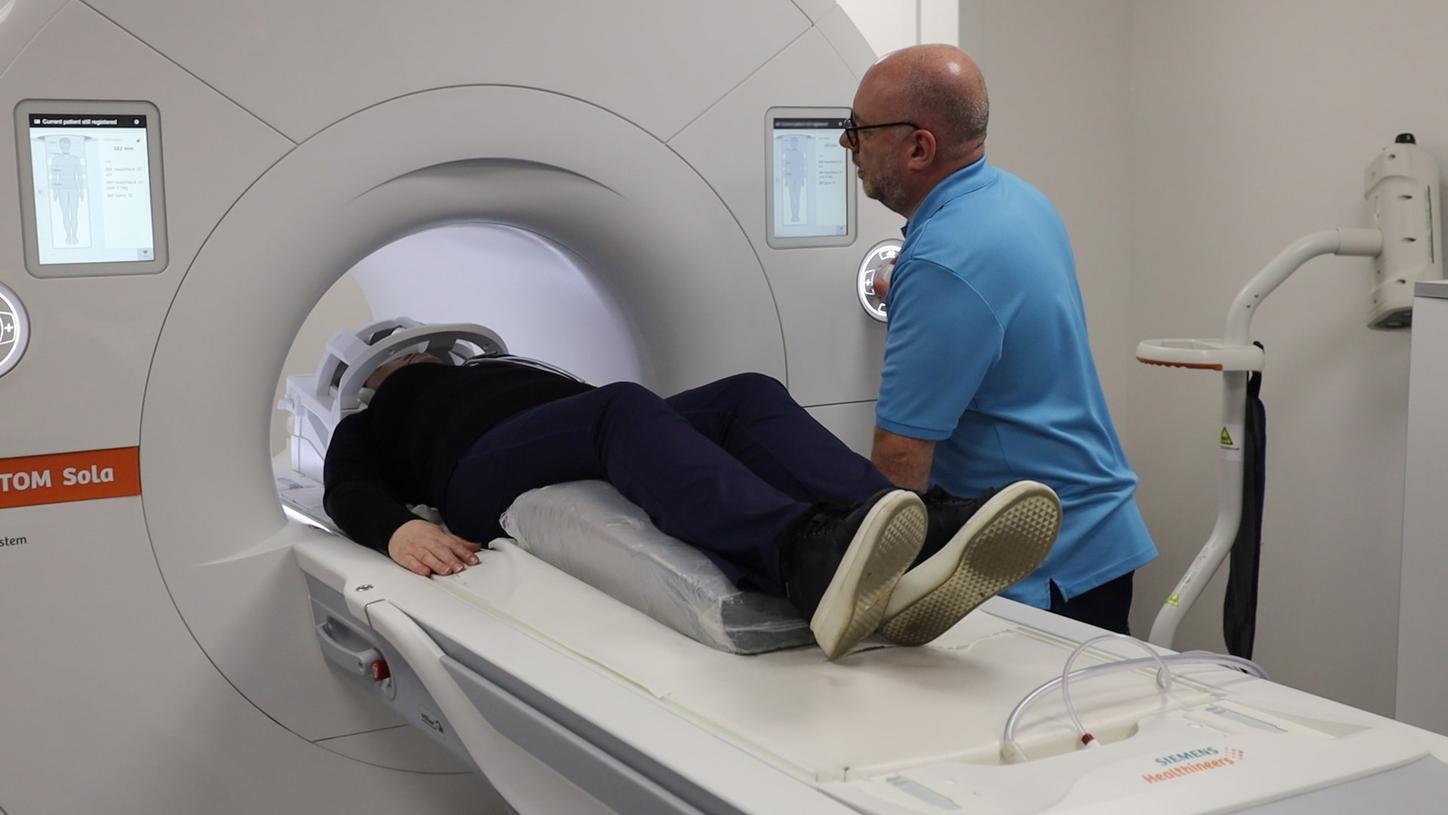
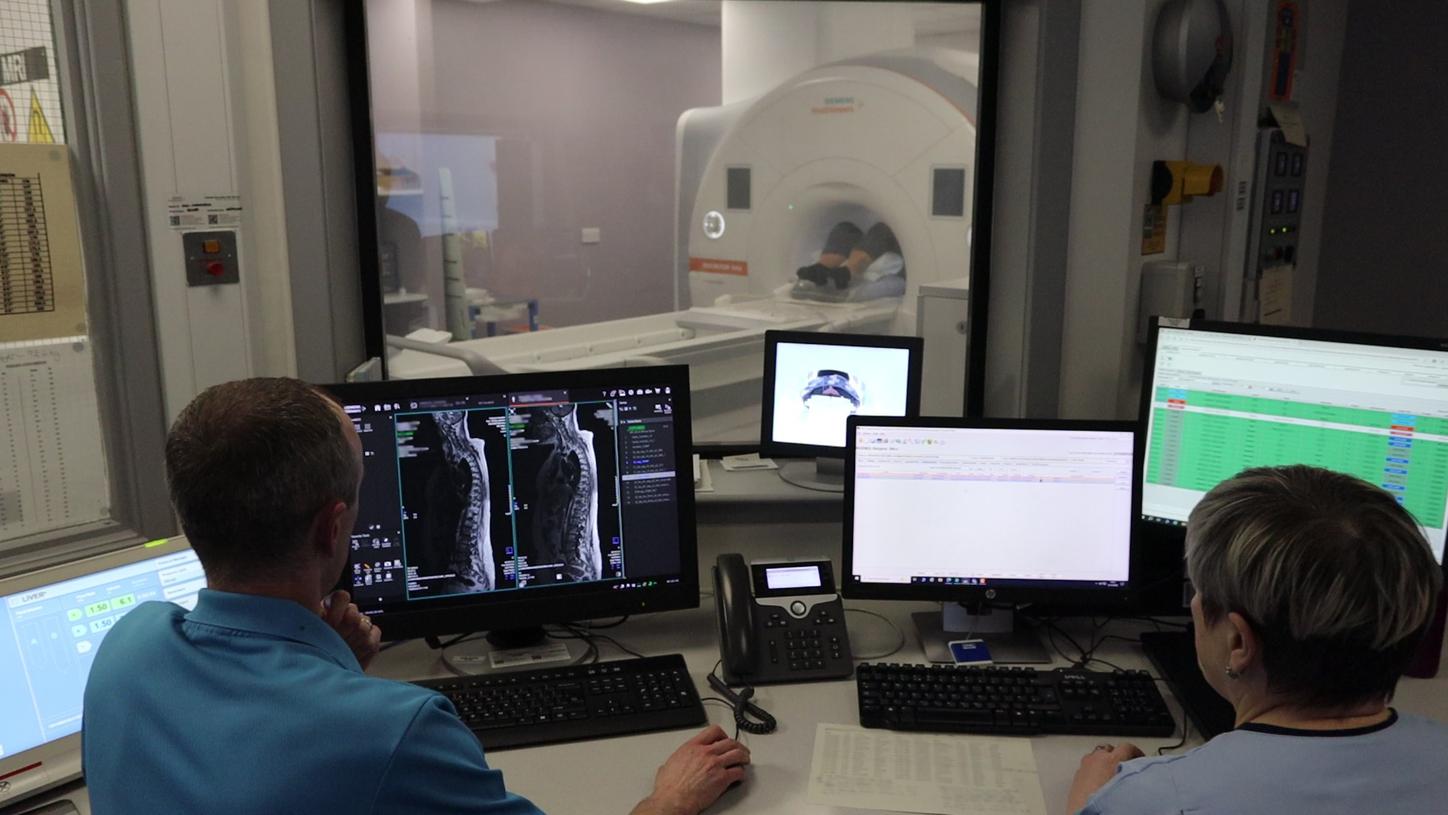
NHS Fife has introduced an advanced artificial intelligence solution from Siemens Healthineers to deliver faster, more accurate and more comfortable MRI scans while reducing patient waiting times across the region. Since the introduction of Deep Resolve in Fife, the time taken to complete an MRI scan has shortened by more than 20%, with the average scan time reduced from around 30 minutes to less than 24 minutes¹, providing both efficiency and cost improvements.
The increased capacity means that almost 1,900 extra appointments were carried out in the first six months since the solution was introduced, with waiting times reducing from six weeks to three-four weeks during the same period. Using AI-driven algorithms for noise reduction and high-resolution imaging, Deep Resolve boosts productivity and enhances patient experience - helping NHS Fife meet rising diagnostic demand without adding more diagnostic scanners.
Deep Resolve works by applying trained AI models to MRI data during processing. Instead of relying on longer scanning times for sharper images, the technology enhances images after acquisition. This enables scanners to operate more efficiently while reducing noise and keeping the same resolution -or even increasing image quality. It also allows quicker scans for patients who cannot remain in the scanner for extended periods, reducing discomfort without compromising image quality.
The technology is now fully embedded across both Queen Margaret Hospital in Dunfermline and the Victoria Hospital in Kirkcaldy, and has also helped deliver significant cost savings, with the increased capacity meaning there has been no need to commission third-party mobile scanners since the technology was introduced.
“The adoption of Deep Resolve technology uses advanced AI to speed up scans and improve the clarity of the images it produces. Patients benefit from shorter appointments and fewer repeat scans, while our teams gain sharper images that support faster, more confident diagnoses,” states David Pirie, service lead for MRI at NHS Fife.
“While we have only been using this new technology for a relatively short time, we are already seeing the tangible benefits for patients by helping shorten appointment times and reducing the number of those requiring repeat scans,” states Claire Dobson, NHS Fife’s director of acute services.
“With Deep Resolve, we bring deep learning and AI to the MRI image reconstruction process. It’s fantastic to see NHS Fife making full use of this to accelerate scan times, enhance productivity, and increase image quality. With diagnostic services under increasing pressure across the UK, it’s vital that clinical teams embrace innovative tools that help manage rising demand while maintaining the highest standards of care,” states Alistair Piggot, business area head of Magnetic Resonance at Siemens Healthineers Great Britain and Ireland.